



On a momentous day for Kerala and India, PM Modi to inaugurate Vizhinjam port, a project that promises to significantly enhance the state’s position in global maritime trade. Situated in the Thiruvananthapuram district, this deep-water port represents more than just a regional infrastructure project; it is a vital asset designed to reshape India’s position in global trade and shipping.
The Significance of Vizhinjam Port
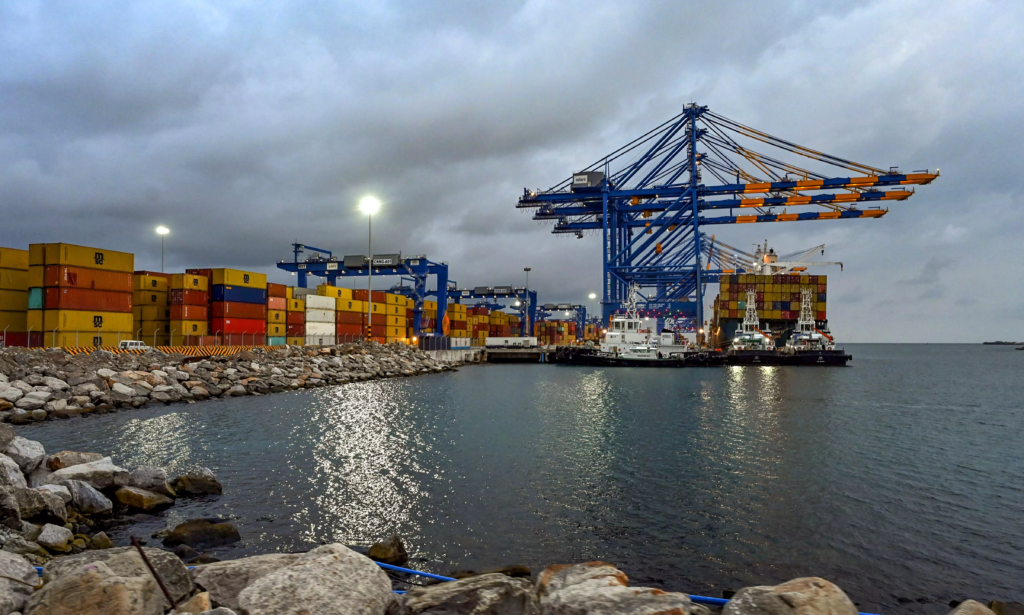
The Vizhinjam International Seaport is poised to become India’s first dedicated transshipment port and the country’s initial semi-automated facility. Its advantageous position, located 10 nautical miles from a vital international shipping lane, renders it an optimal center for accommodating large cargo ships. Traditionally, approximately 75% of India’s transshipment containers have been processed through Colombo Port in Sri Lanka, resulting in significant losses in foreign currency and revenue. The inauguration of Vizhinjam is expected to reclaim much of that traffic, thereby boosting India’s economy and enhancing its global trade footprint.
Development and Investment
The Vizhinjam International seaport initiative, developed by Adani Ports and Special Economic Zone Ltd (APSEZ), the leading port developer in India, has been executed under a public-private partnership model. The total financial investment for this project is estimated to be approximately Rs 8,867 crore, with the Kerala Government contributing two-thirds of the overall funding. This investment demonstrates the state’s dedication to improving its infrastructure and fostering economic growth.
The port’s construction included the development of a breakwater, which is the deepest in India, stretching nearly three kilometers and standing at 28 meters tall, equivalent to a nine-story building. This engineering marvel ensures that the port can operate smoothly in all weather conditions, making it a reliable choice for shipping companies.
Technological Advancements
Vizhinjam International seaport boasts advanced technology designed to enhance operational efficiency. The port features fully automated yard cranes and remotely operated ship-to-shore cranes, which enhance the speed and safety of cargo handling. Furthermore, it features the country’s inaugural domestically developed, AI-driven Vessel Traffic Management System, created in partnership with IIT Madras. This system will help in monitoring and managing vessel movements, ensuring safety and efficiency in port operations.
Trial Operations and Early Success
Trial operations at Vizhinjam commenced on July 13, 2024, with full commercial activities starting on December 3, 2024. During the testing phase, the port successfully handled upwards of 550,000 containers and received over 272 large vessels. This early success demonstrates the port’s capacity and readiness to handle significant shipping traffic, making it an attractive option for global shipping lines.
Strategic Partnerships and Global Connectivity
An important milestone for Vizhinjam is its participation in the Jade Service of MSC, the largest shipping line in the world. This service links Europe and Asia through the Cape of Good Hope in South Africa, establishing Vizhinjam as an essential hub for South Asia along this crucial trade corridor. The inclusion of Vizhinjam in such a prestigious service underscores its potential to become a major player in global shipping.
Ships operating in the Jade Service will journey from Singapore to Vizhinjam before proceeding to ports in Spain and Italy. This direct route ensures that a greater number of containers intended for India will reach Vizhinjam, facilitating effective distribution to other ports through the use of smaller feeder ships. This logistical advantage is expected to enhance trade efficiency and reduce shipping costs for Indian importers and exporters.
Future Prospects
In the future, the subsequent phase of development at Vizhinjam is anticipated to be finished by 2028, raising the port’s yearly capacity to a minimum of 3 million TEUs (twenty-foot equivalent units). This growth will necessitate an extra investment of Rs 10,000 crore, which will be entirely financed by Adani Ports. Additionally, the port is being designed as a multi-modal center, featuring direct road connectivity to National Highway 66 and proposals for a railway link that will integrate it with the national transportation network. These developments will facilitate seamless cargo movement and further enhance the port’s operational efficiency.
Economic Impact on Kerala and India
The opening of Vizhinjam Port is anticipated to significantly influence the economies of both Kerala and India. By reclaiming a significant portion of the transshipment traffic that currently goes through Colombo, the port will help retain foreign exchange and boost local revenue. As a result, this will generate employment opportunities and boost economic development in the area.
Moreover, the port is likely to attract foreign investment and encourage the establishment of ancillary industries, such as logistics, warehousing, and manufacturing. The enhanced connectivity and infrastructure will make Kerala an attractive destination for businesses looking to expand their operations in South Asia. This initiative not only puts Kerala on the worldwide shipping landscape but also establishes India as a significant participant in global trade. With its state-of-the-art facilities, strategic location.